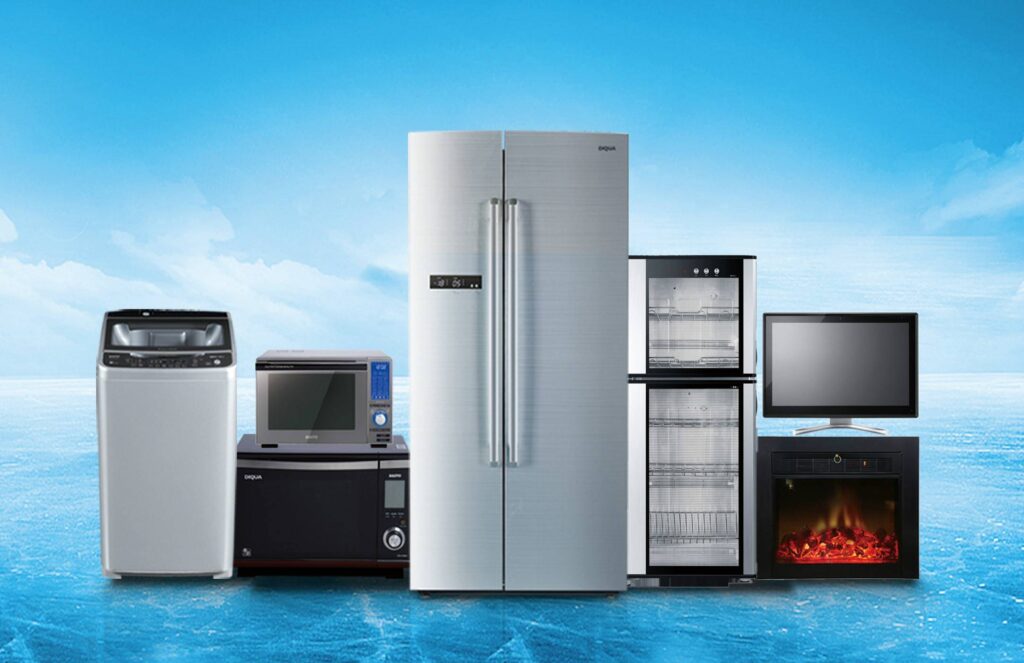

Summary: Explore why incorporating smart home technology content into your website is a strategic move to engage modern consumers, enhance brand relevance, and increase dwell time.
In today’s digital landscape, a website that simply showcases product images and specifications is no longer enough. Savvy consumers dig deep into information, spirituality, and educational content before making a purchase decision. For appliance and furniture retailers, aligning website content with rapidly evolving smart home technology trends is key to staying competitive and relevant.

Why does your website need to focus on smart home content?
1. Meet information needs: Modern buyers, especially millennials and Gen Z, want to understand how technology can enhance their quality of life. Providing articles, guides, and videos on Internet of Things (IoT) devices, energy efficiency, voice assistant compatibility, and automation scenarios can position your website as a knowledge hub, not just a store.
2. Enhance user experience: By showcasing your product’s application in a real “smart ecosystem,” you can help customers visualize how your product will look in their home. For example, an article on “creating an energy-efficient kitchen” could naturally integrate smart refrigerators, induction stoves, and smart lighting systems.
3. Improve Search Engine Optimization (SEO): Keywords like “smart home,” “Alexa-compatible furniture,” and “energy-efficient appliances” have a huge search volume. Regularly publishing high-quality, relevant content can significantly improve your website’s visibility in search engines and attract organic traffic.
4. Build Thought Leadership: By sharing insights on emerging trends (e.g., Matter protocols, home energy management), your brand can become a trusted advisor to consumers, fostering brand loyalty.
Recommendations for action:
· Create a “Smart Home Solutions” section.
· Publish product compatibility guides and tutorial videos.
· Write blog posts about future home living trends.
By aligning your website content with the smart home narrative, you can craft a more engaging, informative, and impactful online portal.
—
Furniture Trends: Infuse your website with inspiration
Update your website content with the latest furniture design trends to inspire customers and showcase the forward-thinking nature of your product collection.
The furniture industry is constantly evolving, deeply influenced by sustainability, personalized needs, and the concept of comfort first. Your website content needs to reflect these changes to resonate with consumers’ desires. Here are a few core trends to incorporate into your website in 2024:
Core trending content update points:
1. Biophilic Design: Home design that emphasizes connection with nature is timely. Create content that shows how natural light, plants, wood, stone, and natural textures can be incorporated into interior spaces. This can be achieved through galleries, blog posts, and social media content.
2. Multi-sensory experience: Furniture is not just visual. Create content to discuss the importance of texture – comfortable upholstered furniture, rough weaves, smooth wood. Use high-quality videos and images to convey these textures.
3. Mixing and matching personalization and vintage: Consumers are increasingly seeking spaces that reflect their unique personalities. Create content that encourages mixing and matching styles, such as combining modern pieces with vintage or mid-century modern furniture. Styling techniques that show “how” to achieve this style.
4. Comfort and Well-being: The concept of “hygge” and “wellness” continues to prevail. The creation of content focuses on creating cozy nooks, reading areas, and furniture layouts that promote relaxation and family togetherness.
How to update your website:
· Trend Guides: Create a dedicated page or blog series detailing each trend, complete with links to your products.
· Stylist Interviews: Post interviews with interior stylists to share their expert insights on these trends.
· User-Generated Content: Encourage customers to share photos of their homes they’ve furnished with your products and create an “inspiration gallery.”
By making your website a go-to destination for home inspiration, you can effectively drive customer engagement and sales conversions.
—
Content Marketing Strategy: Leveraging sustainability to attract modern appliance consumers
Learn how sustainability is a core purchase driver in the appliance industry and how you can adapt your website content to effectively communicate this message.
Environmental awareness is no longer a niche market focus, it has become a key factor in mainstream consumers around the world, especially in major appliance purchasing decisions. Your website content is the most powerful tool for communicating the value of your products in terms of energy efficiency, durability, and eco-friendly practices.
Core Themes of Sustainable Content:
1. Long-term value of energy efficiency: Don’t just list Energy Star ratings. Create calculators or in-depth articles that show consumers how much an efficient refrigerator or washing machine can save them on utility bills over the life of the appliance. This puts the initial investment in a high-end product into a more reasonable perspective.
2. Durability vs. Opposition to Disposable Culture: Produce content that emphasizes product build quality, durability, and usability. Share information on material sourcing, manufacturing standards, and product testing. Telling the story of the brand’s commitment to “built to last” is a form of sustainability in itself.
3. Water Conservation and Emissions Reduction: Water conservation is a huge selling point for products like dishwashers and washing machines. Create infographics and videos that clearly compare the water consumption of different models and translate them into environmental benefits (e.g., “Choose this model to save XXX liters of water per year”).
4. Circular Economy: Discuss recycling programs, responsible disposal of old appliances, and the recyclable materials used in products. This shows that your brand promises to cover the entire lifecycle of your product.
Strategies for Updating Website Content:
· Dedicated Page: Develop a “Our Sustainability Commitment” page that provides a comprehensive explanation of your approach.
· Data Visualization: Use infographics to make energy efficiency data more intuitive and easy to understand.
· Case Studies: Post case studies that tell how real customers reduced their environmental impact by choosing your products.
By transforming sustainability from a specification to a narrative, your content can connect with environmentally conscious consumers on a deeper level and build brand trust.


