

Abstract: Smart home technology is rapidly changing the way we live. This article provides you with a practical guide to choosing smart home appliances to help you create a more efficient and comfortable home.
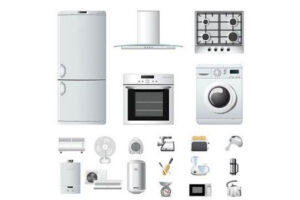
Your home should be a haven, a place that reflects your personality and makes you feel comfortable. Nowadays, smart home appliances play an increasingly important role in this. But in the face of a dazzling array of choices, how to make an informed decision? Here are some key considerations.
1. Ecosystem compatibility is key Before purchasing any smart device, consider whether it will work seamlessly with your existing smart home ecosystem like Google Home, Amazon Alexa, or Apple HomeKit. A unified ecosystem provides a smoother experience and avoids application proliferation.
2. Pursue energy efficiency, not just function Modern home appliances have made great strides in energy efficiency. Look for products with ENERGY STAR certification or other regional performance ratings. This not only helps protect the environment, but also saves you significant money on utility bills in the long run.
3. Design language blends with home style Home appliances are no longer cold metal blocks in the kitchen. They have become part of interior design. Choose a design that matches your cabinet style, kitchen tones, and overall aesthetic. Built-in appliances are becoming a popular trend for creating seamless and clutter-free spaces.
4. Focus on features that solve problems Don’t be fooled by flashy features. Ask yourself: Will this feature really solve my pain points? For example, ovens with steam can prepare healthy meals faster, while refrigerators with food identification technology can help manage inventory.
Update content for your website: Create detailed product comparison guides, user testimonials, and tutorial content on how to integrate devices from different brands into the same system will be very popular with readers.
—
Three trends in furniture design: creating timeless aesthetics
The world of furniture design is always evolving. Staying up-to-date with the latest trends can help you make investments that won’t go out of style. This article will explore the top three trends shaping the interiors landscape this year.
Furniture is the cornerstone that defines the ambiance of a space. This year’s trend is towards creating personalized spaces that stand the test of time, both aesthetically pleasing and functional.
1. Organic Modernism: This style blends clean, modern lines with natural elements. Imagine linen sofas with soft curves, solid wood dining tables and rattan seats. The hues are often neutral colors like beige, oatmeal, and warm gray, creating visual interest through texture rather than color. Materials such as stone and wood are celebrated for their natural imperfections and grains.
2. Multifunctional and Convertible Furniture With urbanization and changes in living spaces, furniture needs to be more flexible. Modular sofas, extendable dining tables, beds with storage functions, and furniture that can be easily converted from a study to a guest bedroom are in high demand. Invest in intelligent design that can adapt to a variety of scenarios.
3. The return of vintage and craftsmanship There is a growing desire to own items with stories and souls. This has driven interest in mid-century style furniture, handmade pottery, and art decorations. Consumers are looking for one-of-a-kind pieces that embody the beauty of craftsmanship, rather than mass-produced counterparts.
Update your website: Publish “Stylist Interviews,” “Space Transformation Case Studies,” and “How to Mix and Match Different Styles” articles. High-quality, magazine-quality spatial photography images are essential.
—
Why your home improvement website needs to update content immediately
In a competitive online marketplace, stale content can make your business look outdated. This article explains how regularly updating your website content can attract more traffic, build trust, and ultimately drive sales.
Your website is the digital face of your brand. For a highly visual and inspiring industry like home improvement, there’s a world of difference between a website with vibrant content and a website with stagnant content.
1. Boost Search Engine (SEO) Performance Google and other search engines favor fresh, relevant content. Regularly posting high-quality blog posts, guides, and case studies optimized for target keywords like “kitchen renovation ideas” or “sustainable flooring options” signals to search engines that your website is an active authoritative source, helping you rank higher in search results.
2. Build authority and trust When visitors see that you consistently provide valuable, informative and up-to-date content, they will see you as an expert in their field. Detailed “how to” guides, industry trend analysis, and project cost breakdowns can answer consumer queries and build trust early in their journey, making them more inclined to choose you when they’re ready to buy.
3. Harness the Power of Visual Content Home décor relies heavily on visual appeal. Updating content means constantly adding new high-quality image galleries, project video walkthroughs, and designer interview videos. This content is not only more engaging but also easier to share on social media, leading to more potential customers.
4. Reflect current products and trends Your product catalog and design services change over time. Make sure your website accurately reflects your current product line, style, and services. Remove outdated product pages, add the latest collections, and show how you adapt to current design trends to prove your brand is cutting-edge.
Action suggestion: Create a content calendar with plans to publish 2-4 in-depth articles per month. Cover different topics from “getting started tutorials” to “high-end design inspiration” to reach a wider audience.

