

Abstract: Explore the strategic value of smart home integration content as a core theme for websites and how to effectively present it to readers.
Today’s homeowners and renters no longer view appliances and furniture as separate items. They expect an ecosystem that connects seamlessly and works together. This trend of “smart home integration” provides extremely rich content update opportunities for websites in related industries.
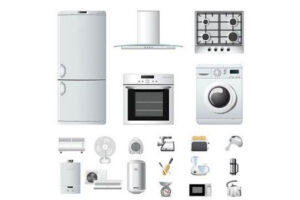
Your website content should no longer feature a refrigerator or a smart light in isolation. Visitors need guides, solutions, and inspiration on how these products can work together to create a more efficient, comfortable, and safe living environment.
Content topics you can create include:
· “How to” guides: For example, “How to build a smart home starter kit with a voice assistant at its core”, “How to choose matching smart curtains for your smart lights”.
· In-depth evaluation: No longer a single product is evaluated, but an “ecosystem” is evaluated. For example, “Samsung SmartThings vs. Google Home vs. Apple HomeKit: Which Smart Home Platform is Better for You?” 》
· Scenario-based content: “Creating the Ultimate Home Theater: From 4K Laser TV to Immersive Sound”, “Energy-Saving Home: Linkage Solution of Smart Thermostat, Solar Panel and Home Appliances”.
· Problem solving: “5 tips to solve the incompatibility of smart devices of different brands”, “How to use old furniture to perfectly integrate into the new smart home design”.
By shifting your content strategy from “product-oriented” to “solution-oriented,” your website will attract more long-term users looking for professional advice, not just short-term visitors comparing prices.
—
International furniture trends 2025: Inject new inspiration into your website
Get an overview of current global furniture design trends and help home and décor websites update their product catalogs and blog content.
Furniture design is evolving rapidly, reflecting a deep desire for sustainability, personalized expression, and versatile living. Updating your website content to reflect these trends is key to staying relevant and engaging.
Trends to watch:
1. Biomorphic Design: Furniture that mimics natural organic forms is on the rise. Flowing curves, cobblestone sofas, and sculptural dining tables break down minimalist straight lines, infusing the space with softness and movement. The content can focus on how to mix and match these pieces with existing décor styles.
2. Retro-Futurism: This is a style that combines nostalgic imaginations of the past for the future, such as the space age style of the 60s and 70s, with modern technology. Websites can showcase furniture with vintage colors and shapes, but completely modern in functionality.
3. Multipurpose and Convertible Furniture: As urbanization and tiny apartment living patterns continue, space-saving design is more important than ever. Content updates should emphasize sofas, beds, and tables with hidden storage, retractable or transformable.
4. Material mix-and-match: Pure single-material design has given way to rich combinations. For example, rough wood is combined with smooth metal, and warm knitted fabrics are contrasted with icy glass and marble. A high-quality image gallery on your website should showcase these details adequately.
Action suggestions: Reorganize your product categories based on these trends, create shopping guides on topics like Explore Biomorphic Design: Let Your Home Flow Naturally, and update meta descriptions and keywords to match these emerging search needs.
—
Energy-efficient home appliances: an underrated “gold” topic in content marketing
Analyze why promoting energy-efficient appliances is an effective way to update website content, enhance brand value, and attract environmentally conscious customers.
Driven by rising global energy costs and increased environmental awareness, energy conservation has transformed from a simple selling point to a core purchasing decision factor. Your website content is the perfect tool for educating consumers and building trust.
Content update direction:
· Interpret Energy Efficiency Labels: Create content that clearly explains energy efficiency rating standards (e.g., Energy Star) in different regions. Help consumers understand the long-term cost difference between “A+++” and “A+”.
· Calculate Total Cost of Ownership (TCO): Develop interactive tools or provide calculation templates that allow users to calculate the savings they can save over the life of a high-efficiency refrigerator or washing machine after inputting local energy prices. This can strongly justify the higher investment in the early stage.
· Showcase technical advantages: Write articles about modern energy-saving technologies, such as the principles and advantages of heat pump dryers over traditional condensing dryers, or the precise energy use of induction stoves.
· Sustainability Stories: Share the brand’s efforts to reduce its carbon footprint and use recycled materials to manufacture appliances. These stories can appeal to consumers with environmental values.
By consistently producing high-quality content on energy conservation, your website will gradually become an authoritative source of information in this field, driving conversions from high-intent customers.
—
Reinventing the Online Experience: The Essential Types of Content for Furniture E-commerce Websites
Beyond traditional product listings, furniture e-commerce websites need to diversify content to reduce return rates, boost customer confidence, and increase sales.
The biggest obstacle to buying furniture online is “uncertainty” – is it the right size? How does the material feel? Does it match with my other furniture? Updating your website content to proactively address these concerns is key to success.
Content modules that must be added or updated:
1. 360-Degree Rotation and Video Presentations: High-quality videos and interactive rotation views are essential for showcasing the details, textures, and structure of furniture. The video should show the product in different lighting conditions and in actual use.
2. “Put at Home” Augmented Reality (AR) Tools: Allow users to project virtual furniture into their real space through their phone’s camera. This is the most persuasive form of content that can greatly boost buying confidence.
3. Detailed Dimensional Drawings and Shopping Guides: Provide clear, labeled and detailed dimensional drawings and create guides to help users measure space and choose the right size sofas, rugs, and dining tables.
4. User-Generated Content (UGC) Gallery: Establish a dedicated section showcasing product photos taken by real customers at home. This provides unparalleled social recognition and coordination inspiration.
5. In-depth Care and Material Guides: Create blog posts or knowledge bases on how to care for different materials (e.g., solid wood, leather, marble). This demonstrates professionalism and helps customers make informed choices, reducing returns due to misunderstandings.
Updating these content types regularly will transform your website from a simple shopping platform into a trusted home advisor.
Hopefully, this article will provide you with the value and inspiration you need.


