

Abstract: In the highly competitive online market, home improvement websites need to provide consistently fresh and valuable content to attract and retain users. This article explores three key strategies to help your content stay relevant and engaging.
For websites in the home improvement and design sector, stale content is the worst enemy. Consumer tastes and technology are changing at a rapid pace, and the content on your website must keep pace.
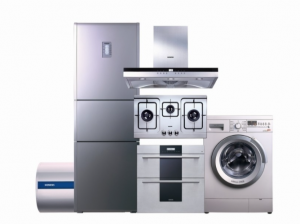
Here are three key strategies to ensure your content library remains fresh, relevant, and effective in driving traffic:
1. Embracing the Intersection of “Smart Integration” and “Sensual Design” Today’s appliance and furniture trends are no longer limited to functionality or appearance. Content creation should focus on the integration of the two. For example, the content you create can explore:
· How to seamlessly embed large smart appliances (such as refrigerators and ovens) into custom cabinets to achieve a balance between aesthetics and technology.
· Choose furniture fabrics and materials that work in harmony with smart home systems, such as Google Home or Amazon Alexa.
· Topic: “Technology is invisible” – how to create a kitchen where technology is ubiquitous but invisible.
This type of content meets the user’s need for “how” to achieve the desired effect, not just to show the product.
2. Create timeless “evergreen content” and update it regularly Home improvement is a significant investment that users conduct in-depth research. Creating “evergreen” themes with long-term value is the cornerstone of attracting organic search traffic.
· Core Topic Examples: “The Ultimate Guide to Choosing the Perfect Sofa Material”, “5 Key Factors to Consider in Kitchen Layout Planning”, “Long-term ROI Analysis of Energy-Efficient Home Appliances”.
· Key Action: Don’t just post and forget. Review these core articles at least once a year. Update statistics, replace outdated product images, add new sections to reflect current trends (e.g., add a paragraph about air purification ovens or sustainable materials). Indicate the update date at the top of the article to indicate its relevance to readers and search engines.
3. Leverage real-world “style evolution” cases A pure product listing lacks appeal. Users are eager to see products in action in real-world environments.
· Content format: Focus on publishing “before-and-after” case studies, customer project highlights, or in-depth video tours.
· Narrative Perspective: Tell the story of a space’s transformation. Focus on the challenges homeowners face (such as small space and lack of light), the choices made (why they chose this multifunctional furniture or appliances in a specific color), and how the final solution feels. This narrative is more immersive than mere technical specifications and can be naturally integrated into product information.
Conclusion: Updating website content should not be seen as a trivial matter but as a strategic opportunity. By following the fusion of trends, investing in enduring guides, and bringing it to life with real-life stories, you can position your website as a trustworthy, authoritative resource that attracts a loyal readership.
—
Beyond Black and White: Furniture & Interior Design Color Trend Forecast for 2025
Color is the emotional core of any space. Explore the warm earth tones, vibrant jewel tones, and serene neutrals that are about to dominate living rooms and bedrooms worldwide, inspiring your website color palette and new product choices.
As we increasingly see our homes as safe havens and workplaces, color choices are moving towards something that is both warm and full of character, comfortable and bold. The color palette of 2024 reflects a desire for well-being, self-expression, and connection with nature.
1. Warm Earth Tones Beige and cool grays are giving way to warmer, more earthy tones. Think terracotta, terracotta, caramel, and rich russet. These colors bring a sense of grounding and organic warmth, making the room feel both inviting and calm. They pair well with natural materials such as wood, rattan, and stone, making them ideal for large furniture (e.g. sofas, bed frames) or feature wall coverings.
2. Soothing Greens From soft sage green to deep olive green, green continues to be a mainstay in home design. It symbolizes a connection with nature and carries an inner sense of tranquility. Lighter greens are suitable for a peaceful bedroom retreat, while deep emerald greens can add a touch of drama and sophistication to a study or dining room. This is a prominent trend color for cabinets and storage units.
3. Deep Jewel Tones For those seeking individuality and glamour, gemstone tones are the go-to choice. Intense velvet blues, deep violets and ruby reds are emerging. These colors are best used as accent colors, presented by a pair of velvet armchairs, a few chunky curtains, or a feature wall. They work great with metal accents, especially brushed brass or black matte hardware.
4. Tranquil Neutrals This doesn’t mean icy grays, but softer, more complex neutrals. Warm whites, creams, and light taupes are the perfect backdrop for a bright, airy space. They provide a flexible canvas for bolder furniture and artwork and help make small spaces feel bigger. These colors are a safe and stylish choice for walls and large basic furniture such as modular sofas.
Infuse your website with color:
· Create a visual gallery: Publish an image gallery showcasing the practical application of these colors in different rooms and lighting conditions.
· Write a Pairing Guide: Create content that guides readers on how to pair sapphire blue with earthy tones or how to create a cohesive flow with green.
· Spotlight Products: Highlight specific furniture or decorative accessories in these trending shades.
By creating content around these global color trends, your website will stay cutting-edge and provide visitors with the inspiration and practical advice they are looking for.
—
silent upgrades: Low-profile appliance innovations that fit into the modern home
The latest appliance innovations aren’t always the most dazzling. This article explores trends that focus on improving user experience, enhancing efficiency, and seamless integration, making them perfect topics for updating product pages and blog content.
Innovation in the field of home appliances is shifting from “bigger is better” to “smarter is better”. Today’s consumers favor products that work quietly and efficiently, seamlessly integrate into their daily lives, and address specific pain points. Here are some trends worth keeping an eye on for your website content:
1. Focus on food preservation and waste reduction With the increasing awareness of sustainability, technology that extends the life of food has become a key selling point.
· Innovative examples: refrigerators with precise temperature-controlled drawers to keep meat fresh longer; Ovens with dehydration or low-temperature cooking to retain nutrients.
· Content Angle: Write articles or create videos on “How to Reduce Kitchen Waste with Modern Appliances,” focusing on these specific features and their practical benefits.
2. Enhanced Filtration and Purification Technologies The focus on air and water quality drives innovation in this area.
· Examples of innovations: advanced water filtration systems built into refrigerators to remove trace contaminants; Washers and dryers are equipped with steam circulation and allergen filtration technology to purify fabrics.
· Content Perspective: Create comparative guides or in-depth reviews explaining how these filtering techniques work and their benefits for healthy living, avoid medical jargon, and keep the language plain.
3. Intuitive touch screen and personalized interface The user interface is becoming more contextual and helpful.
· Examples of innovations: Ovens have built-in cameras and artificial intelligence that recognize food and recommend cooking settings; The touchscreen on the refrigerator door allows you to manage recipes, create shopping lists, and control other smart devices.
· Content Angle: Post “how-to tutorials” content that shows how users can streamline their cooking process or manage household chores through these intuitive interfaces.
4. Ultra-quiet operation The noise level of home appliances is becoming a key differentiator in the high-end market.
· Examples of innovations: Near-silent dishwashers, refrigerators equipped with improved soundproofing and compression technology.
· Content Angle: Emphasize decibel ratings in product descriptions. The content explores the “value of quiet appliances”, especially for open-plan living spaces or families with young children.
Conclusion: By shifting your content focus from mere product specifications to these user-centric, lifestyle-enhancing innovations, you can connect with your audience on a deeper level and demonstrate your understanding of what the industry is truly evolving.


