

The Key to Enhancing Your Website’s Appeal: Incorporating Current Home Design Trends
Summary: Your website content is the first façade to attract customers. Updating content in a timely manner to reflect the latest home lifestyles can significantly enhance user engagement and brand relevance. This article explores how to turn current furniture and appliance trends into great website content.
Body: In the digital age, a company’s website is its most important showcase. For the home furnishing industry, it’s crucial to keep your website content fresh and forward-looking. Visitors want to see content that inspires them and is in line with current trends.
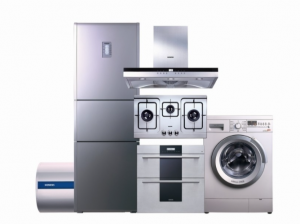
Here are some trends to watch out for that can serve as the core of your website’s content:
1. Versatile and adaptable furniture: As living spaces change around the world, people demand more functionality from furniture. Retractable dining tables, modular sofas, and bed frames with storage are all popular themes. Create content such as “small space solutions” or “multi-purpose smart furniture” that provides value and showcases products.
2. Natural and Organic Elements: Consumers are increasingly opting for home environments that bring tranquility and comfort. Materials such as rattan, logs, stone and linen are highly sought after. Your website can publish articles on “How to incorporate nature into the modern home” or “Organic material care guide”.
3. Personalization: People want their homes to reflect their personal style. The content can revolve around “customizing your exclusive space” or “suggestions for mixing and matching different styles,” highlighting the product’s customizable options.
Action Recommendation: Audit your website, product catalog, and blog immediately. Make sure images and descriptions are in sync with these trends. Consider creating video content that showcases the applications of these furniture pieces in real-life scenarios, fostering a deeper emotional connection with your audience.
Smart Home Appliance Integration: Why Your Website Needs to Discuss It
Abstract: Smart home technology is no longer a future concept, it has entered the mainstream market. Updating your website content to include the seamless integration of smart appliances is a necessary strategy to attract modern tech-savvy consumers.
Text: The heart of modern kitchens and living rooms is quickly being defined by connected smart appliances. From voice-controlled ovens to refrigerators capable of diagnosing faults remotely, these devices are redefining convenience and efficiency in homes.
Your website content needs to clarify the value and simplicity of this integration to your customers:
· Focus on ecosystem compatibility: Consumers want to ensure that new devices work with their existing smart home platforms, such as Google Home or Amazon Alexa. Creating a comparison guide or compatibility checklist is very valuable content.
· Emphasis on energy conservation and sustainability: The core selling point of many smart appliances is energy management. Produce content about how these devices can help households reduce their carbon footprint and lower utility bills, which resonates with environmentally conscious users.
· Showcase lifestyle, not just products: Don’t just show off a refrigerator. Showcase a kitchen ecosystem that automatically creates shopping lists, recommends recipes, and keeps food fresh. Use case studies and user testimonials to tell stories.
Suggested action: Create a new “Smart Home Hub” or “Inspiration Library” section on your website. Regularly publish articles on the latest technologies, usage tips, and industry news to position your brand as an authoritative source of information in this area.
Content Marketing Strategy: Use the decoration timeline to attract customers
Summary: Renovation is a process where your website content guides customers through every stage. By creating content that matches your renovation timeline, you can help customers when they need it most, fostering loyalty and driving sales.
Body: Customers have different information needs at different stages of decoration. Your website should be a guide every step of the way, not just a product showroom.
· Stage 1: Inspiration and Planning Content Ideas: Publish articles such as “Annual Trend Color Forecast”, “Analysis of Different Decoration Styles (e.g., Modern Farmhouse, Eclecticism)”, and “Budget Planning Template”. The goal of this stage is to educate and inspire.
· Stage 2: Design and Sourcing Content Creativity: This is the golden age to showcase products. Provides practical guides on “how to measure space dimensions”, “comparison of furniture material pros and cons”, and “how to mix and match textures”. High-quality 360-degree product videos and detailed spec sheets are essential.
· Stage 3: Installation and Life Content Ideas: Customers need assurance. Provide “furniture maintenance tips”, “smart home appliance setup tutorials” and “customer success story sharing”. This type of content reduces post-purchase anxiety and encourages positive reviews.
Action Suggestion: Categorize your website content by these stages. Use email marketing to guide users to the next stage by sending them personalized follow-ups based on the stage they may be in (e.g., someone who downloaded a planning guide).


