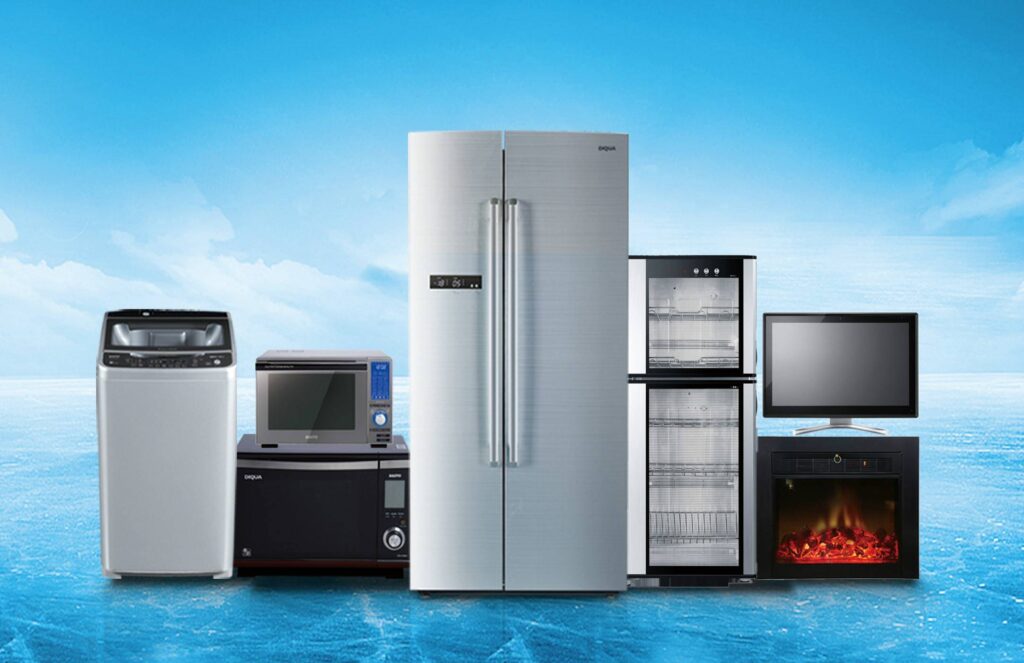

When creating an ideal home environment, the selection and layout of home appliances and furniture are key elements, which are not only related to the convenience and comfort of daily life, but also an important carrier to highlight personal taste and style. The following will break down the relevant points for you in detail.
Furniture style matching points
1. Modern and minimalist style: This style focuses on clean lines and functionality. Sofas are mostly designed with low backrests and straight lines, and the material is commonly fabric or leather, and the color is mainly neutral colors such as gray and off-white, giving people a simple and atmospheric feeling. Pair it with a coffee table with geometric shapes, such as round or square glass coffee tables, to increase transparency. The TV cabinet can be selected as a floating type or flat panel type to reduce the feeling of heaviness and have sufficient storage space to meet the placement needs of audio-visual equipment.
2. Nordic style: emphasizes nature, warmth and comfort. Solid wood furniture is a common element of the Nordic style, such as beds, dining tables and chairs made of pine and oak, showing the original wood grain texture. The furniture color is mostly light wood, white, etc., creating a fresh and bright atmosphere. The sofa in the living room can be accented with brightly colored throw pillows to add a lively touch. In terms of lamps, simple chandeliers or wall sconces are often chosen to provide soft light.
3. Retro style: Pursue classic and historical charm. Vintage-style sofas may have delicate carvings, wooden frames, and vintage fabric fabrics in darker colors such as dark brown and dark green. Pair it with a vintage style coffee table, such as a wooden one with drawers or carved decorations. The TV cabinet can be selected in a wooden style with vintage handles to echo the overall style. In the bedroom, a vintage-style bed may be equipped with a carved headboard and footboard, paired with a vintage wardrobe, with a reasonable internal structure to meet the needs of clothing storage.
The integrated layout of home appliances and furniture
1. Living room layout: The TV is usually the visual focus of the living room, choose a TV that matches the style of the TV cabinet, such as a modern and simple style can be paired with an ultra-thin LCD TV, hanging on the wall to save space. The distance between the sofa and the TV should be reasonably arranged according to the size of the TV to ensure the comfort of viewing. Side tables can be placed on both sides of the sofa to facilitate the placement of lamps, water glasses and other items. If the living room is large, you can also set up a relaxation area with a comfortable lounge chair and floor lamp to create a reading or relaxing corner.
2. Bedroom layout: The position of the bed should consider lighting and space utilization, and avoid facing the window at the head of the bed. Place bedside tables on both sides of the bed, flush with the bed, and facilitate the placement of mobile phones, alarm clocks and other items. Wardrobes can be chosen with a built-in design to save space while making the bedroom look tidier. If space in the bedroom allows, a small desk or dresser can be placed for office or dressing needs. The installation position of the air conditioner should be careful to avoid blowing directly on the bed, and you can choose to install it on the wall opposite the bed.
3. Kitchen layout: The layout of kitchen appliances should follow the operation process, that is, “washing, cutting, and frying”. The sink and faucet are located close to the water source, making it easy to clean the ingredients; The stove is located next to the sink for easy cooking; Ovens, microwaves, etc. can be placed in cabinets above or below the worktop for easy access. The refrigerator should be placed close to the kitchen door to facilitate access to ingredients, and at the same time, sufficient space for heat dissipation should be reserved. The design of cabinets should be based on the kitchen space and personal usage habits, and the layout of drawers and wall cabinets should be reasonably planned to improve storage efficiency.
Detail considerations in decoration
1. Size adaptation: Before purchasing furniture and appliances, be sure to accurately measure the dimensions of the room, including length, width, height, and the location of doors and windows. Ensure that the size of furniture and appliances is appropriate to the space of the room, and avoid being too large or too small to affect the use and overall aesthetics. For example, the length of the sofa should not exceed the length of the wall in the living room, and the width of the refrigerator should be able to pass smoothly through the kitchen door.
2. Quality and environmental protection: The quality of furniture and appliances directly affects service life and safety. Choose well-known brands and quality-assured products, and check relevant quality certifications and test reports. In terms of furniture materials, give priority to environmentally friendly materials, such as solid wood, environmentally friendly boards, etc., to reduce the release of harmful substances such as formaldehyde and protect the health of your family. Home appliances should pay attention to their energy efficiency level, choose energy-saving products, and reduce the cost of use.
3. Budget planning: Decoration is a large expense, and it is crucial to plan your budget in advance. According to their own economic strength, rationally allocate funds for furniture, home appliances and decoration projects. Make a detailed shopping list to identify expenses and avoid overspending. At the same time, you can pay attention to promotions during the purchase process, choose cost-effective products, and save money.


